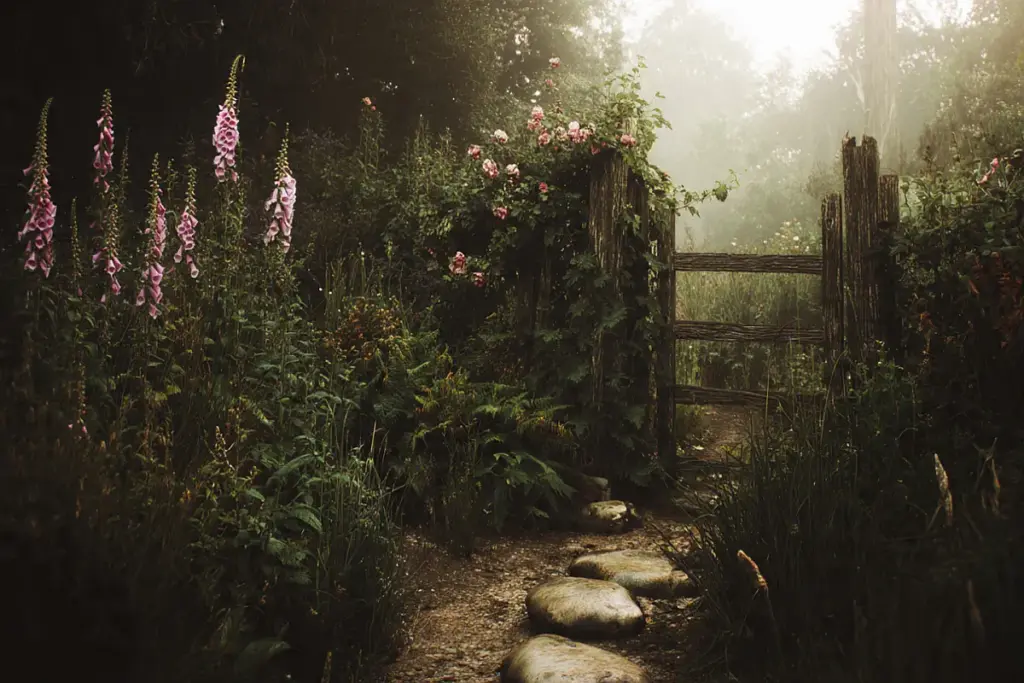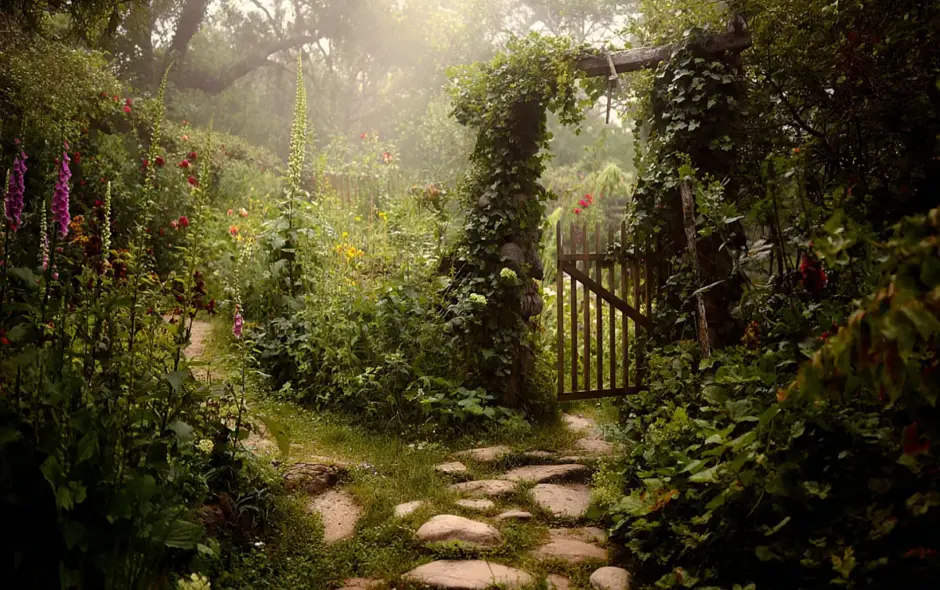
🌿 Creating a Magical Garden: Connection to Mother Nature
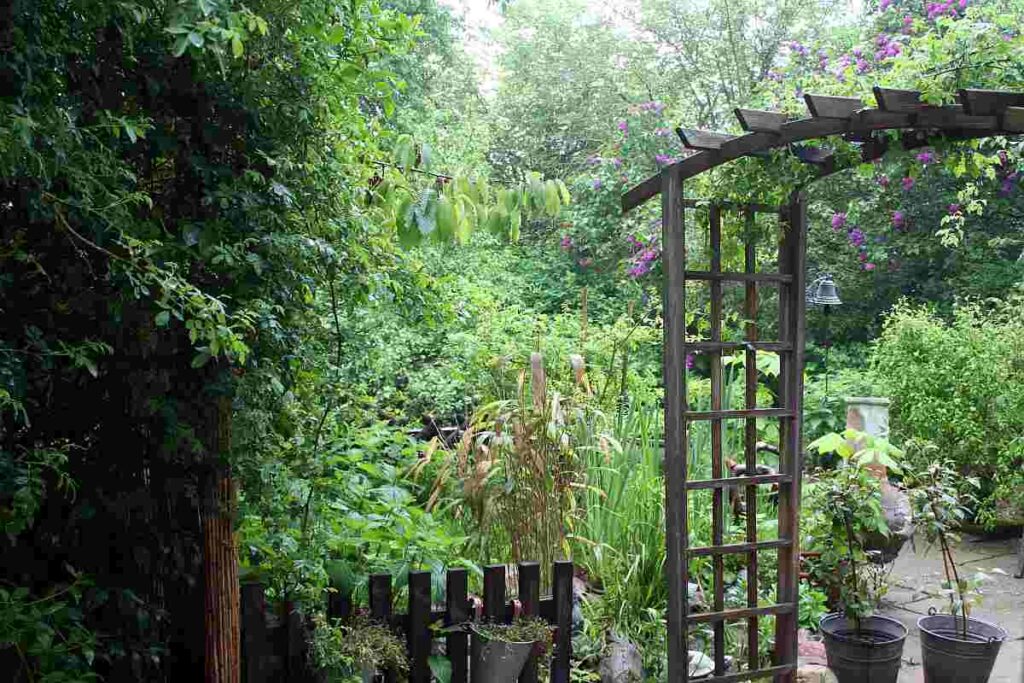
Laying out a magical garden—often called a Witch’s Garden—requires deep reflection and patience. It is more than just landscaping; it is a mirror of our soul. A magical garden conveys emotions and deepens our connection to Mother Nature. It prepares us for new beginnings in our lives or supports us through times of transformation. These gardens speak to us in their own silent language, offering peace and inner contemplation.
When is the best time? For me, Spring and Autumn are always the best times to create a new garden space. I find that one has a clearer overview when nature is either preparing for a fresh start or settling in for the winter rest.
📐 Magical Shapes: Circle, Spiral & Triangle
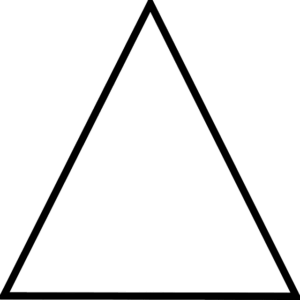
Reading through the ancient writings, we learn that shapes played a significant role in the layout of herbal gardens. While monks typically laid out their cloister gardens in the shape of a cross, the gardens of the wise women and men followed different patterns: the Circle, the Spiral, or the Triangle.
The Magic Circle: Protection & Unity A magical circle always symbolizes protection and closure. This shape holds the power to ward off any baneful magic or negative intent.
Tip: If you plant a small, circular front garden, it acts as a shield, protecting the home and its inhabitants.
The Magic Spiral: Flow & Energy A garden laid out in a spiral means that a tremendous amount of energy flows through the space. It has a clear entrance and leads you back out again.
Usage: If you seek movement and change, the spiral herb garden is the perfect choice. It is a place of meditation (ideal for growing herbs for incense).
Right-turning: Represents flow back, release, and transience.
Left-turning: Represents spirituality, growth, and further development.
The Magic Triangle: The Power of Three Here, Body, Mind, and Soul (or the elements Fire, Water, and Earth) are united. It is a very powerful shape for a herb garden, fostering cohesion, fusion, and strength.



🌳 The Guardian Tree & The Hedge (Hag)
Every magical garden needs protection. The ancient Germanic tribes planted their homesteads with thorny shrubs—known as the Hag—to create a living shield against spirits and intruders.
The Crab Apple (The Primal Apple) The Crab Apple (Malus sylvestris) is the ancient ancestor of the apple we know today. For the Celts, the Apple tree was among the most sacred of trees. It was the tree of love and immortality—remember Avalon, the Isle of Apples. Even today, the festival of Samhain (Halloween) is deeply intertwined with the magic of the apple.
🚪 The Threshold Guardian: Watcher at the Gate
Every magical garden requires a guardian standing at the threshold between the profane outer world and your protected sanctuary.
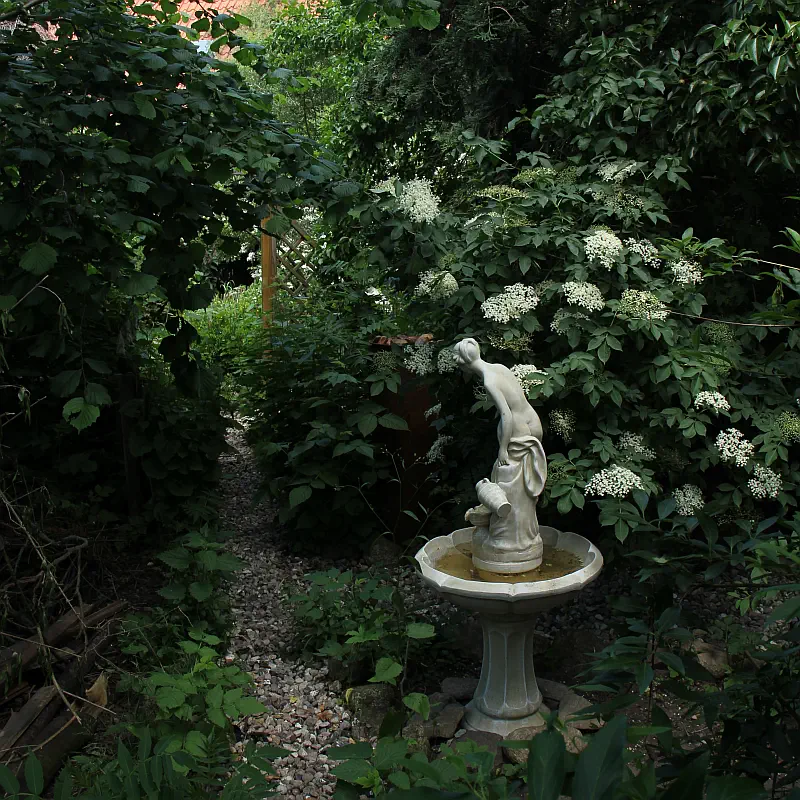
The Elder (Mother Holle’s Tree) The Elder (Sambucus nigra) was the most important threshold guardian of our ancestors.
Placement: Tradition dictated it be planted directly against the house wall or the stable gate.
Beliefs: It was believed that the good house spirits (or Mother Holle herself) dwelled within its branches. An Elder at the entrance wards off negative energies before they can cross the threshold.
Respect: There is an old saying: “You should take off your hat to the Elder.” One must never cut down an Elder without first asking its permission; otherwise, misfortune is invited into the home.
The Rowan (Mountain Ash) Alongside the Elder, the Rowan is a powerful protective tree, especially revered in Celtic belief.
The Druid’s Tree: It is often called the “Tree of Life” and offers protection against the strongest baneful magic.
Deep Dive: If you wish to immerse yourself deeper in the magic of this sacred Druid tree, you can find my detailed article on Rowan and its Nature Magic here.
🌿 The Wild Corner: The Magic of “Weeds”
A true Witch’s Garden is never perfectly manicured or “clean.” It requires untamed corners where the spirits can hide and the insects can thrive.
Downy Hemp-Nettle (The Swindler’s Herb) The Downy Hemp-Nettle (Gelber Hohlzahn), historically known as the large-flowered hemp-nettle, holds a curious place in folklore.
Ancestral Belief: In the old tradition, people carried a small sachet containing dried Hemp-nettle on their chest. It was believed to protect the bearer against trickery, deceit, and “swindlers.”
Incense & Ritual: I was taught a specific fumigation using this herb to uncover lies. The spirit of the plant brings clarity and wards off deception and fraud.
Burdock (Protection & Warding) Burdock (Klette) is one of those plants that faithfully follows humanity wherever we go.
Folklore: In the traditions of former East Prussia, Burdock and Mugwort were hung over the farm gates on St. John’s Eve (Midsummer) to secure the animals against hexes and enchantment.
Incense & Ritual: A fumigation with Burdock banishes negative energies from the house and acts as a shield against envy and slander.
☠️ The Witch’s Bed: Poisonous Plants & Their Power
For me, the poisonous plants hold a place of deep significance. One should approach them with great reverence.
A Note on Safety: If you have small children or pets and feel unsure, please omit these plants. However, speaking from my own experience in the garden: my cats, chickens, and runner ducks live peacefully alongside Meadow Saffron, Monkshood, and Bryony.
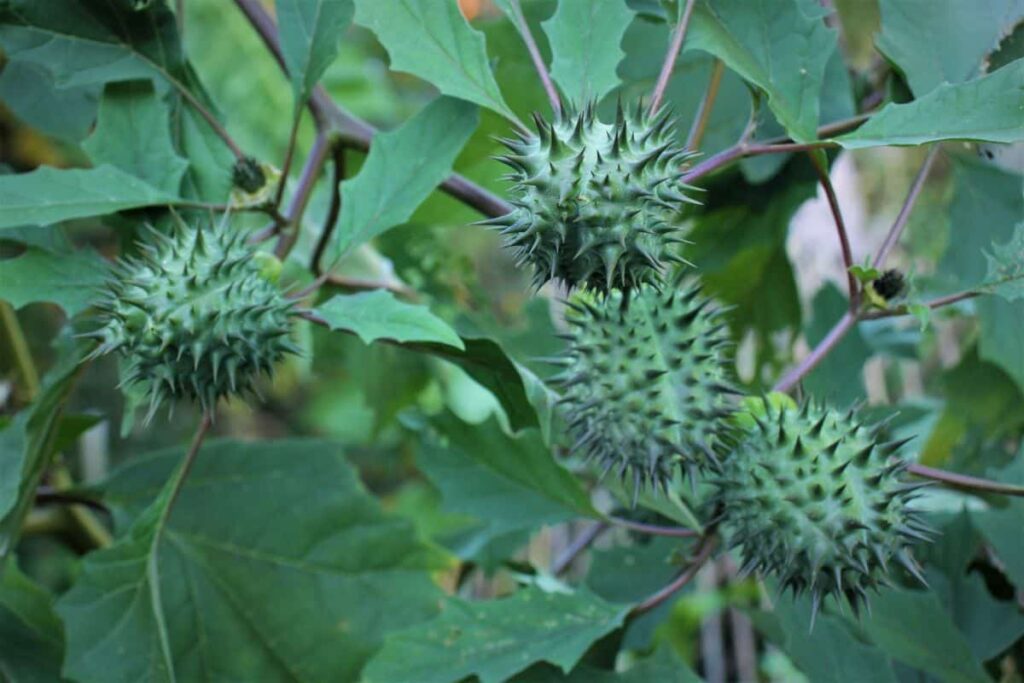
Thorn Apple / Datura (Thunder Ball) The Thorn Apple (Datura stramonium) possesses a long and shadowy history. It was one of the key ingredients in the famous “Flying Ointments” of the witches.
Folklore: Its folk names—such as Devil’s Apple or Witch’s Comb—paint a clear picture of its reputation. In the old lore, carrying dried Datura seeds was said to protect against slander and lies.
Tradition of the Sinti & Roma: In the belief of the Sinti and Roma people, this plant played a major role in warding off the Evil Eye. In Hungary, for example, seeds were buried beneath the doorstep for protection.
Bryony (Zaunrübe) White Bryony is a powerful guardian against sorcery. In our northern climes, it serves as the native substitute for the rare and exotic Mandrake.
🌙 The Evening Primrose: Light in the Darkness
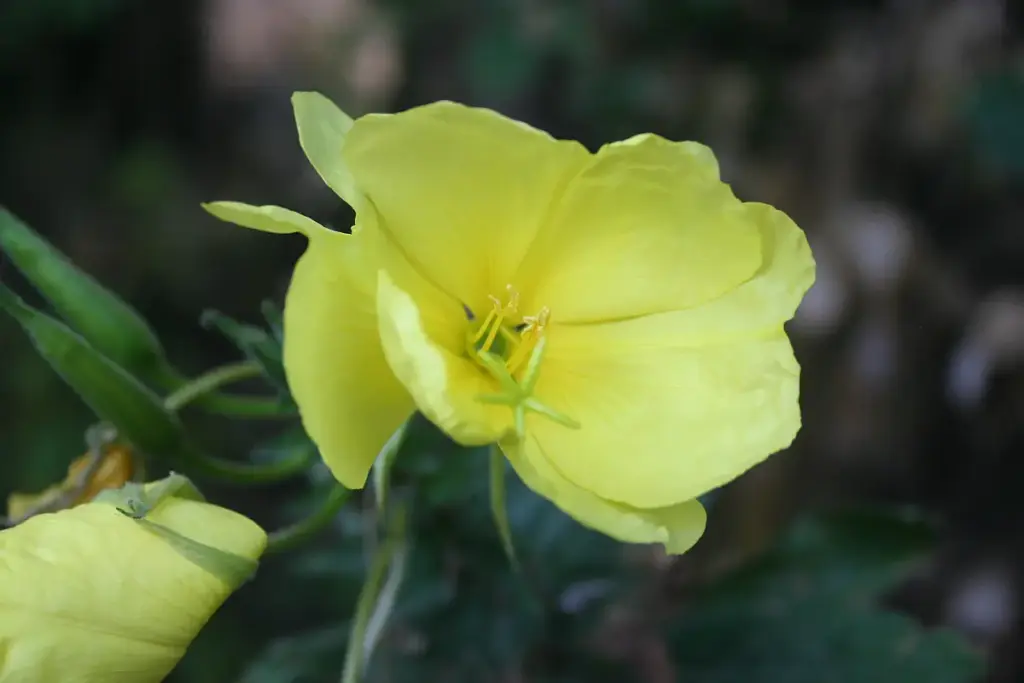
The Evening Primrose (Oenothera) is a very special soul for the Witch’s Garden, for she lives by a different rhythm than most wild plants. As her name suggests, she opens her luminous yellow blossoms only as the twilight falls.
A Spectacle of Nature It is almost magical to watch her: You can see with the naked eye how the petals unfold within just a few minutes. They glow in the night like small candles, acting as beacons for the moths and night travelers.
Magical Meaning In nature magic, the Evening Primrose stands for bringing light into the darkness.
Shadow Work: She helps us to recognize hidden things and to accept our own shadow sides.
The Moon Garden: She is an essential companion for any Moon Garden, as her yellow flowers seem to reflect the moonlight itself.
🌿 List: Which Plants for the Witch’s Garden?
Here is a selection of plants and their magical meanings for your sacred beds:
Sage (Salbei): Good for healing heartache and sorrow in love.
Thyme (Thymian): Brings luck and courage.
St. John’s Wort (Johanniskraut): The ultimate protector of house and farm.
Rue (Weinraute): Protects against nightmares and night spirits (the “Truden”).
Calendula / Marigold (Ringelblumen): Stands for new beginnings and renewal.
Mugwort (Beifuß): A shield against slander and negative talk.
Valerian (Baldrian): Transmutes the bad into the good.
Elecampane (Alant): Protects against illnesses caused by hexes.
Henbane (Bilsenkraut): The plant of prophecy and divination.
Borage (Borretsch): Drives away evil thoughts and melancholy.
Dill: Helps to break curses and enchantments.
Oregano (Dost): Guards against baneful magic on the home and land.
Monkshood (Eisenhut): Traditionally used as a protection against poison.
Vervain (Eisenkraut): Protects against emotional wounding.
Foxglove (Fingerhut): Wards off the Evil Eye.
Daisy (Gänseblümchen): Symbolizes eternal life and innocence.
Scarlet Pimpernel (Gauchheil): Brings clarity to the mind.
Ground Ivy (Gundermann): Helps you to spot a deceitful person early on.
Houseleek (Hauswurz): The ancient shield against lightning strikes.
Hazel (Hasel): Reveals hidden treasures.
Elder (Holunder): Preserves the homeowners from great harm and misfortune.
Heather (Besenheide): Protects against curses.
Chamomile (Kamille): Protects the woman of the house from illness.
Red Clover (Rotklee): A symbol of life and vitality.
Mullein (Königskerze): Helps one to perceive nature spirits.
Groundsel (Kreuzkraut): Banishes evil spirits.
Lavender (Lavendel): Symbolizes purity and peace.
Mallow (Malven): Symbolizes forgiveness and softness.
Agrimony (Odermennig): Helps people find a partner.
Tansy (Rainfarn): Protects against demons and wandering spirits.
Rose: Embodies passion and desire.
Closing Thoughts This gives you a small overview of what a magical garden holds in significance. If you are looking for even more inspiration on which green spirits to invite into your sanctuary, I warmly recommend my Great Compendium of Magical Plants (A-Z). I wish you conscious spirituality and may your soul come into deep harmony with Mother Nature.