Wild Herbal Tobacco: Ritual Smoke & The Breath of the Earth
Over the years, many letters have reached my garden gate asking a singular, intriguing question: “Which wild plants can be used to craft a natural tobacco?” It is a skill that hovers on the edge of forgotten lore. I have taken this question to heart, combing through old herbals and testing the leaves of the wild to see which ones are suitable for the pipe or the paper.
⚠️ Important Health & Safety Warning Before we step into the garden, we must speak plainly.
Smoking is harmful: Even without nicotine, inhaling smoke of any kind (combustion) produces tar and carbon monoxide, which damages the lungs.
No “Nicotine Flash”: Herbal tobacco does not provide the “throat hit” or the stimulating rush of commercial tobacco. It is a different, gentler experience.
Purpose: This information is intended for historical interest, ritual use, or as a transitional aid for those seeking to leave nicotine behind. It is not a health cure.
Echoes of the Past: Historical Use
In the lean times of history, specifically before and after the Second World War, people turned to the hedgerows when tobacco was scarce.
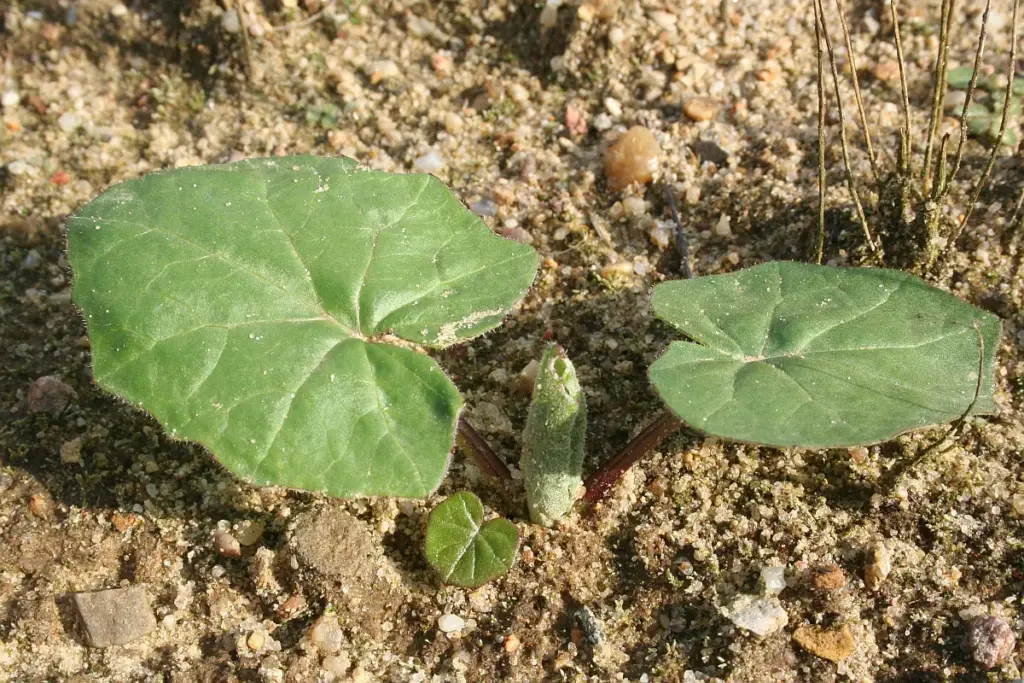
Coltsfoot (Tussilago farfara): These leaves were the standard tobacco substitute. Commercial tobacco was often “stretched” with dried Coltsfoot to make it last longer.
Tansy (Tanacetum vulgare): Despite its potent nature, Tansy was used because it holds a glow well (it smolders slowly), imitating the burning qualities of real tobacco.
The Alchemist’s Base: How to Craft Your Blend
A good herbal smoke needs a “carrier” or base herb that burns well and carries the flavor of the other plants. A classic, time-tested ratio is:
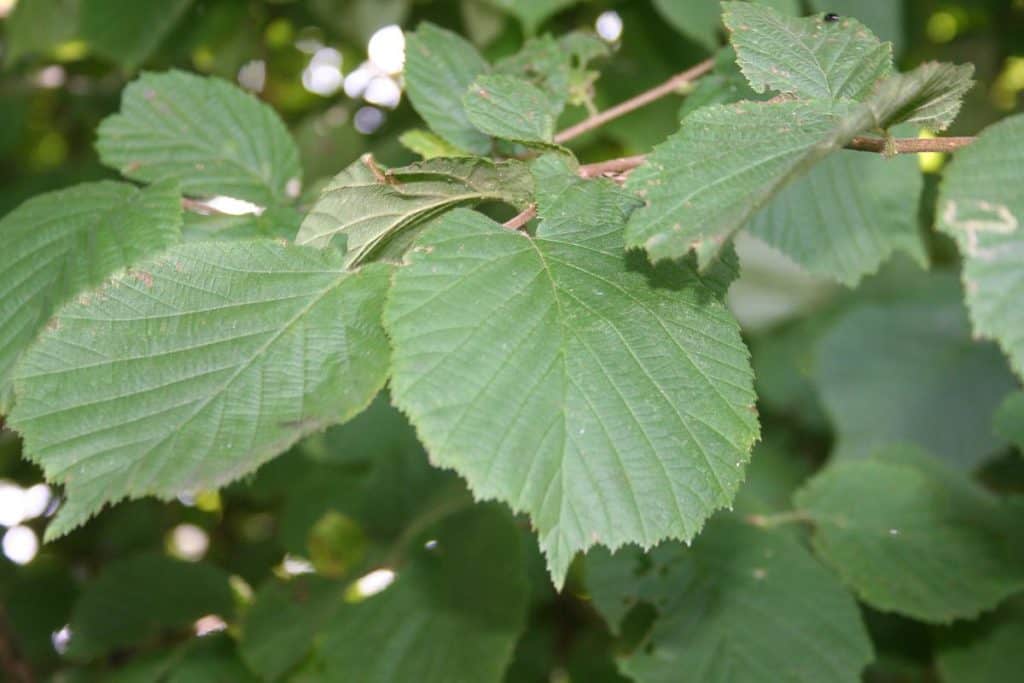
70% Hazel Leaves (The base)
30% Aromatic Herbs (Your personal selection – see list below)
The Art of Fermentation (Curing)
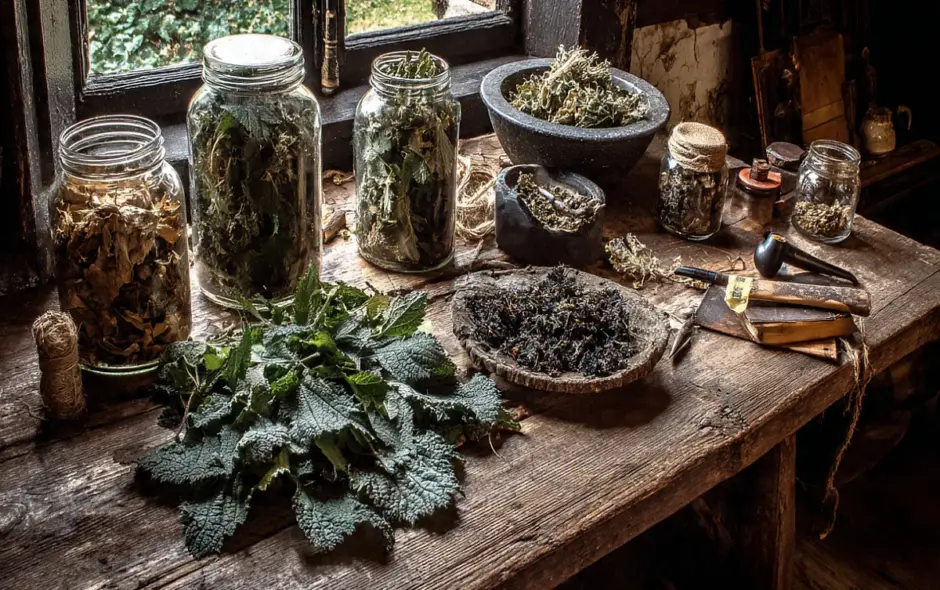
Raw dried leaves can be harsh and scratchy in the throat. To make a smooth, palatable smoke, one must use the process of fermentation. This breaks down the chlorophyll and sugars.
Laying Out: Lay your freshly gathered leaves neatly on newspaper or unbleached kitchen paper.
Rolling & Binding: Roll the leaves and paper together tightly—like a firm sausage. Bind this roll securely with a cotton or hemp string. Pressure is key.
The Slumber (Aging): Place these rolls in a warm, dark place for about two weeks. During this time, the leaves “sweat” and ferment.
Drying: After the two weeks, unroll the bundle. The leaves will have changed color and scent. Now, let them dry completely.
Cutting: Once crisp, shred the leaves to your desired consistency (fine for rolling, coarser for pipes) and store them in a tin.
The Apple Trick: To keep your blend from becoming dust, you can place a piece of fresh apple peel or potato skin in the tin for a few hours to reintroduce a hint of moisture.
Recipes from the Apothecary
Here are a few proven blends to start your journey.
The “Sweet Meadow” Blend (Simple)
Spray the dried herbs lightly with honey water before the final drying for a hint of sweetness.
Nettle leaves
Lemon Balm
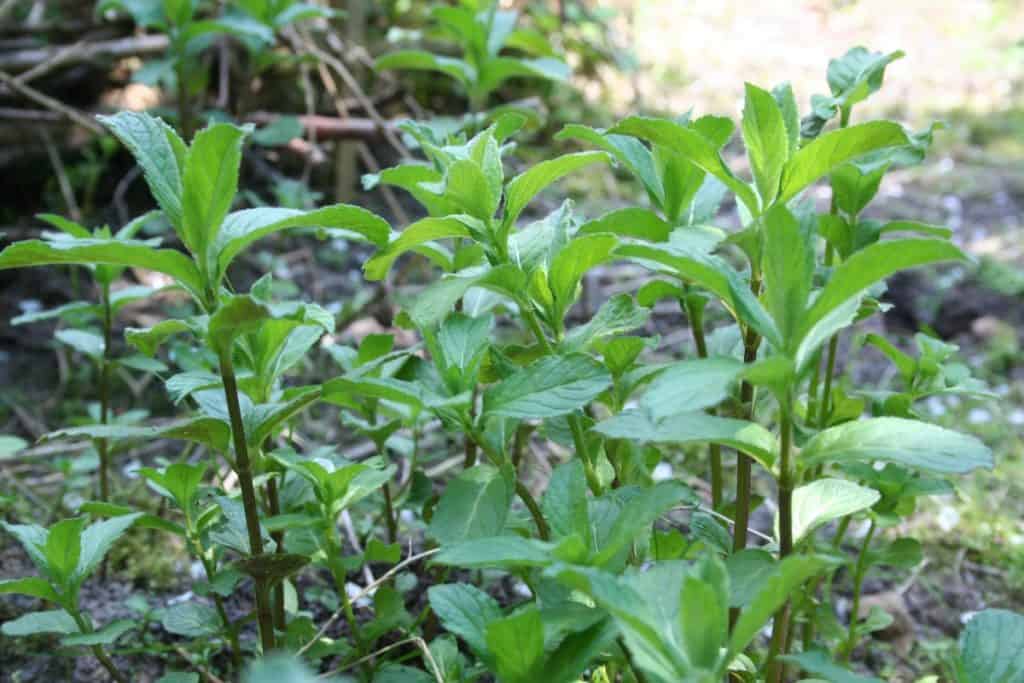
Peppermint
The “Old Ways” Blend (Proven)
A complex mixture for relaxation.
Lady’s Mantle
Skullcap
Elder Leaves
Hemp leaves (CBD/Industrial Hemp, where legal)
Red Clover
The “Breath of the Forest” Blend (Historical)
Historical Note: This blend was traditionally said to soothe asthma, BUT please consult a doctor before inhaling anything if you have lung conditions. Do not gamble with your breath. Mix in equal parts:
Coltsfoot leaves
Plantain (Ribwort or Broadleaf)
Peppermint
Woodruff
Materia Medica: Plants Suitable for Smoking
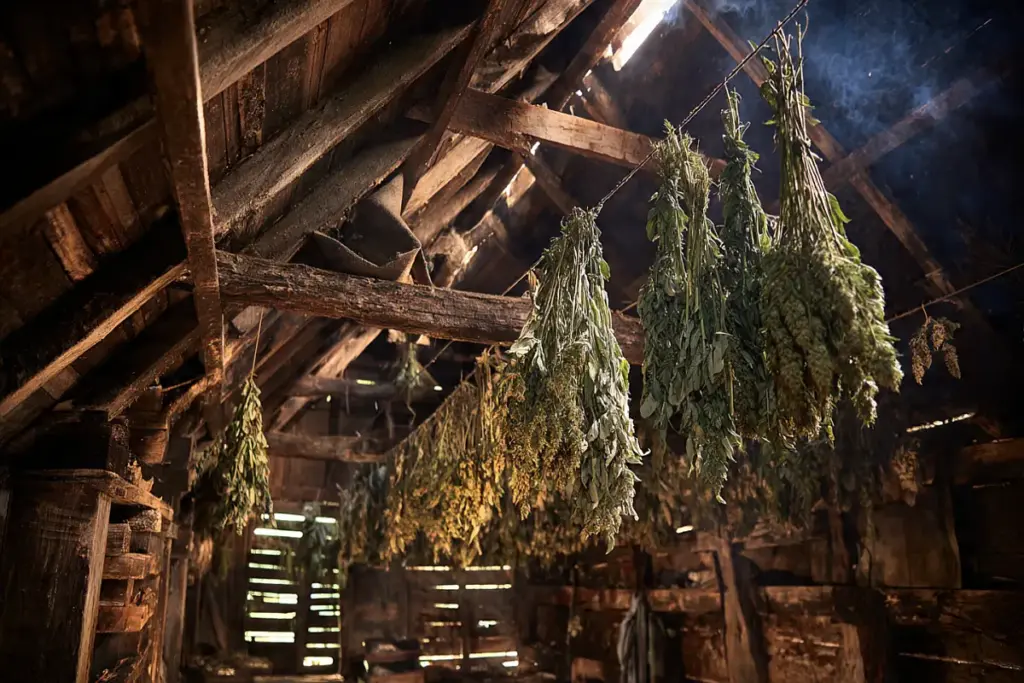
Not every plant can be burned. Here is a list of wild allies that have been traditionally used in herbal smoking blends:
Coltsfoot (The classic base)
Hazel Leaves (The smooth burner)
Mullein (Fluffy, mild, and historically used for lungs)
Raspberry Leaves (Neutral and fluffy)
Blackberry Leaves (Adds body)
Sage (Purifying, strong taste)
Mint (Peppermint, Spearmint – for cooling)
Lemon Balm (Calming)
Catnip (Mildly relaxing)
Damiana (A renowned relaxant)
Rose Petals (For fragrance and beauty)
Lavender (Use sparingly, very strong floral taste)
Chamomile (Gentle and apple-like)
Red Clover (Sweet and earthy)
Hops (Deeply relaxing, sleep-inducing)
Thyme (Spicy and antiseptic qualities)
Yarrow (Spicy)
Plantain (Ribwort or Broadleaf – neutral base)
Skullcap (Soothing)
Betony (Woody)
Comfrey (Leaves)
Willowherb (Fireweed)
Birch Leaves
Tansy (Use with caution, strong flavor)
Hemp / CBD (Earthy, relaxing)
Finding Your Own Ritual
As you see, the meadow is full of possibilities. There is no “perfect” recipe, only the one that suits your taste. Start with the Hazel or Mullein base, and then add the aromatics like a pinch of spice in a stew. Experiment, listen to the plants, and find your own wild blend.