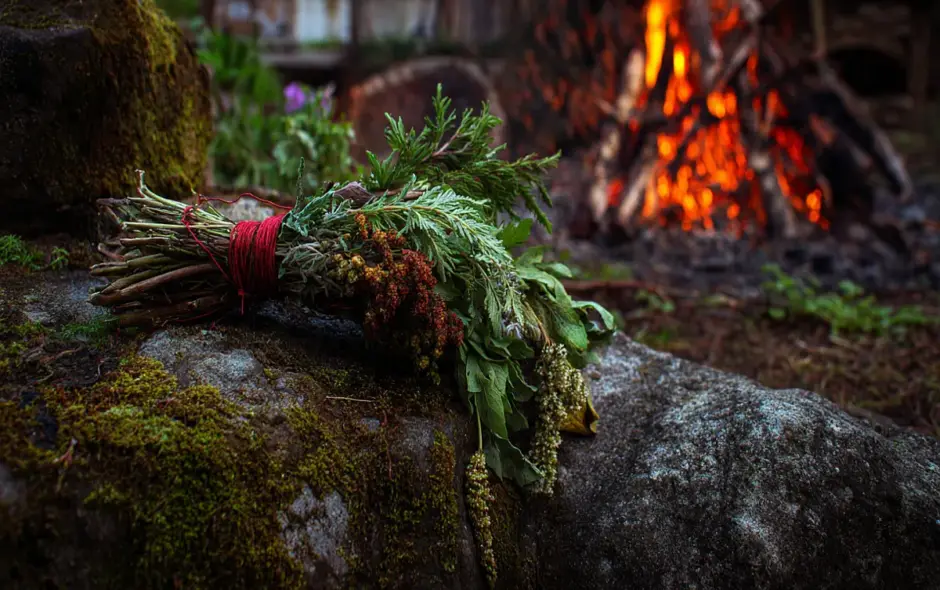
🔥Walpurgis: Saint, Goddess & The Night of Fires
Where does Walpurgis Night actually come from, and what is its true origin?
Saint Walburga: Walpurgis is a fierce protectress of the crops, guarding against the plague and abdominal ailments. She lived in the 8th century (not the 6th, note: historically corrected) and spread Christianity in Germany. In the old days, she was remembered on the 1st of May, and later on the 25th of February.
The Walpurgis Days: Nine days before Walpurgis Night, there was vigorous celebrating with much ringing of bells. These were the traditional Walpurgis Days.
The Night of the Witches: The subsequent Walpurgis Night is arguably the most famous witches’ night that Christianity brought forth. For originally, Walpurgis Night is a heathen spring festival that was dedicated to the god Donar and celebrated very freely. Donar was considered the god of fertility and the thunderstorm.
✨ The Legacy of the Goddesses: Perchta, Holle & Frigg
While Walburga appears heavily Christianized, her heathen character emerges clearly in other concepts of the Old Belief.
The Earth Mother: Walburga stands in direct relation to the witches here, and she manifests herself as a power that, like Perchta and Frau Holle, is deeply connected to marriage. This holy Walburga is decisively a representative of the Goddess Perchta.
Bestower of Blessings: Perchta has been characterized by us as the earth mother, the bestower of the harvest blessing, the patroness of flax cultivation and the spinners, and as the guardian of unborn and early departed human souls. She has also been recognized as identical to the Northern German Frigg or Frau Holle.
A Time of Closeness: In heathen times, during the first greening of nature, the Goddess was closer to the people than usual. And just as one could successfully ask her for gifts during these days, one could also obtain guidance in matters of love and marriage more easily than usual.
The Date: Walpurgis Night is celebrated every year from the 30th of April to the 1st of May and belongs to the preliminary festivals of the actual main festivals, here being the 1st of May.
🌿 Fertility & Bride Stones: The Wild Rituals of the Ancestors
Our forebears celebrated this festival very freely and openly.
Rituals of the Fields: Sexual rituals were performed directly on the fields, where people united to seamlessly transfer their profound fertility into the arable soil.
The Bride Stones: Even today, there are still the so-called bride stones (Brautsteine), upon which unmarried girls would rub their exposed genitals in order to obtain a husband.
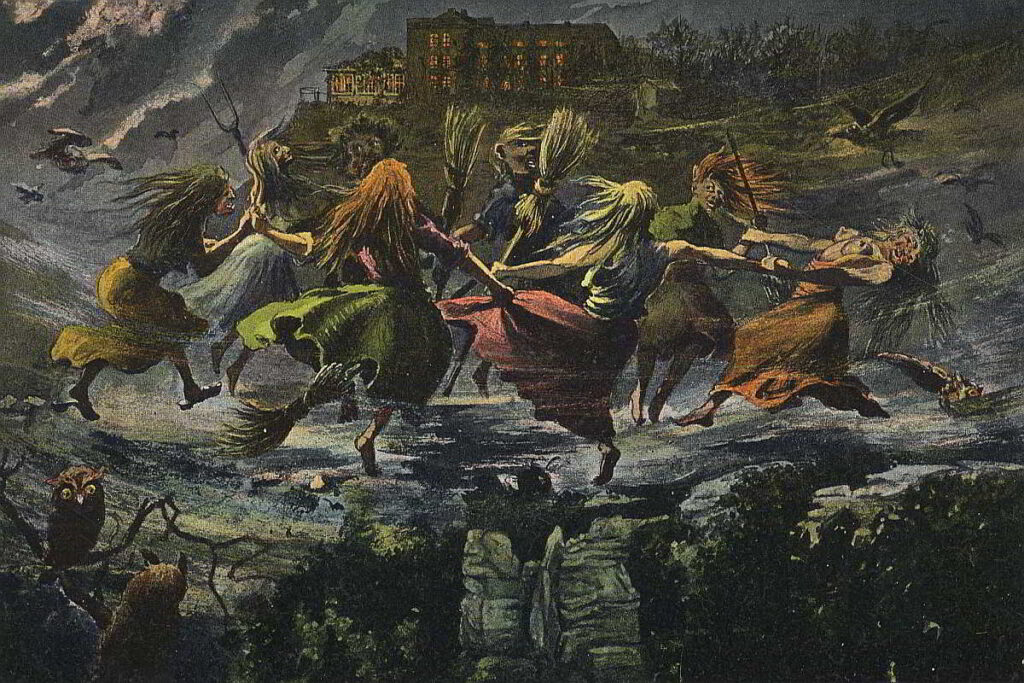
The Reinterpretation: Under the Christians, this ancient custom was reinterpreted into a wild, desolate gathering of fiends and witches. Hence, probably, the Christian belief that on Walpurgis Night the devil celebrates a grand feast with the sorcerers and witches (once it was the god Donar with his worshippers) on this or that mountain. After its end, the wicked men and women scattered in all directions to cause all sorts of harm and mischief to the people with their magical arts. Such was the belief of Christianity.
🔥 May Fires & Beltane: The Victory Over Winter
In this sacred night, great fires have been lit since time immemorial—the May fires (Maifeuer). These May fires fiercely drove away everything dark and negative; even the cold days were meant by this.
The Leap: When these fires have burned down late in the night, lovers leap over the glowing coals, just as they do during the summer solstice.
The Protective Smoke: In general, these mighty fires are meant to make people, animals, and food healthy and fertile. The driving away of the witches—meaning everything harmful—was demonstrated by this and was performed in a particularly loud and noisy manner. For this, the sacred smoke of the May fire also had to drift heavily over the fields to keep the darkness away from the animals and the seeds.
The Arrival of Spring: Winter will now depart, and the earth will become warm again. With May, the vibrant spring moves across the land.
Celtic Beltane: For the Celts, who celebrated the moon festival Beltane at exactly the same time, it was even the beginning of summer. For other peoples, it was the beginning of the year. The Celtic Wheel of the Year festival Beltane belonged to the four great moon festivals. These include Imbolc, Lughnasadh, Samhain, and precisely Beltane. Beltane was usually celebrated on the 5th full moon after the Yule festival.
⛰️ The Witches’ Dance & Marks of Protection
Walpurgis Night was deeply known for the spreading of magic, spirits, and witches. In many places, there was the witches’ dance floor (Hexentanzplatz). The most famous one is arguably the Blocksberg, the Brocken in the Harz Mountains.
Warding the Home: Because people believed that witches rode through the air on Walpurgis Night, houses and stables were equipped with all sorts of protective means. Crosses and pentagrams (Trudenfüße) were drawn on walls and front doors, and bells were rung loudly.
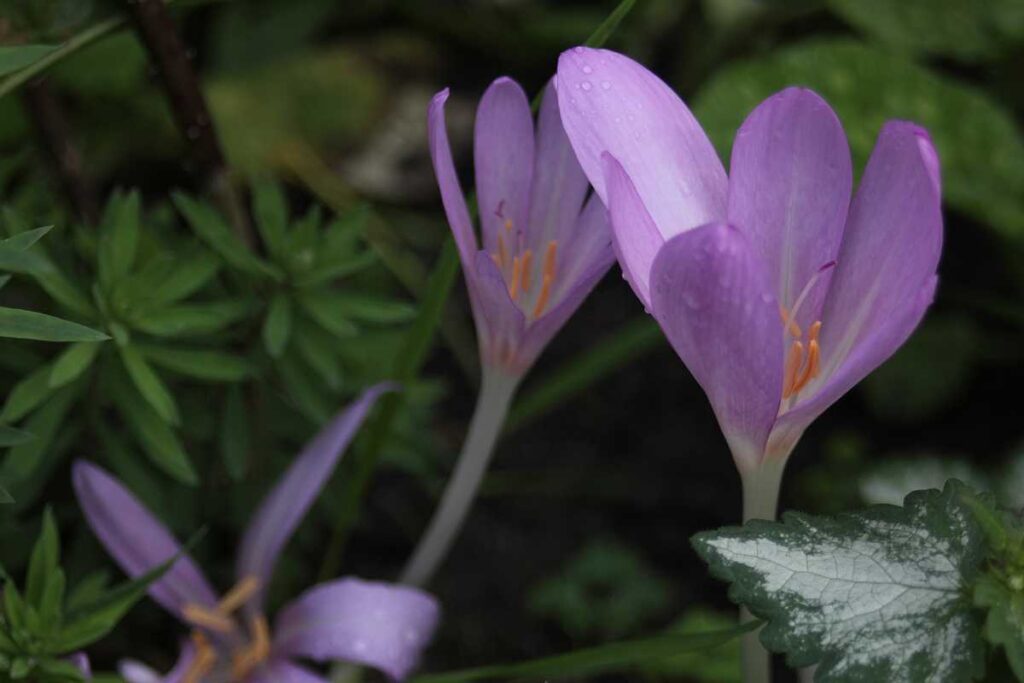
The Autumn Crocus: The autumn crocus (Herbstzeitlose) served as food for the witches in this sacred night, and with its bulbs, the witches poisoned animals and humans; so says an old tradition.
🌱 Seed & Blessing: The 1st of May in Garden & Field
Sowing the Seeds: On the 1st of May, hemp seed was formerly brought to the fields, and beans were also planted in the garden. Pumpkin seeds are now placed into the earth, as are cucumbers, so that they do not freeze. However, many other seeds were not allowed into the earth on the 1st of May, because otherwise the worm would eat them.
The Straw Doll: In the gardens that had not yet been dug up by the 1st of May, a straw doll was set up out of mockery.
🧈 Butter Magic & Hazel Wands: Protection for Body & Soul
Lard & Butter: On the 1st of May, lard was prepared so that one would have lard all year round. Butter was also churned naked at midnight, so that one would have the butter blessing throughout the entire year. Cows were also fed dandelion blossoms on Walpurgis Night so that the butter would turn a beautiful, rich yellow.
The Hazel Wand: A hazel wand, cut in Walpurgis Night, reveals valuable metals in the ground to its bearer. Whoever carries such a hazel wand with them will never fall into the abyss. This does not mean a physical abyss, for example, a mountain cliff, but rather it symbolically represents the emotional and financial abyss.
✨ Stars & Sacred Taboos
The Treasure Hunt: If a star fell from the sky in this night, one must dig at that exact spot to find the hidden treasure.
Children of the May: Children born on the 1st of May automatically belong to the witches, according to the old lore.
The Ban on Labor: No work was allowed on the 1st of May; even household chores were left undone. One was also not allowed to lend anything or borrow anything; whoever did so anyway was considered a witch.
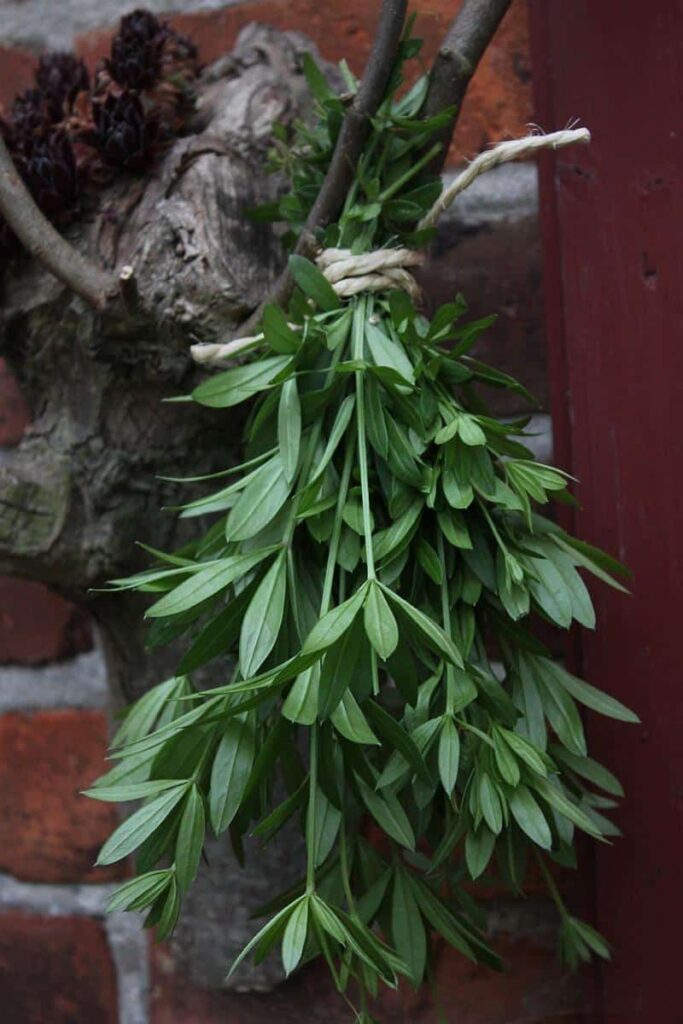
🌿 Healing at Dawn: May Dew & Heavenly Milk
The May dew (Maitau) was especially beloved. It had to be gathered in the early morning of the 1st of May.
Beauty: If one washed oneself with the May dew, one attained beauty. Hands or the face were washed with it; strictly before sunrise. It was meant to be the pure dew from blades of grass.
Health: It was also said to help with psoriasis and other skin ailments. For this, some people back then rolled in the dew-fresh grass before the sun even rose.
Heavenly Milk: The May dew also fiercely protects against witches and the devil. The Germanic tribes saw in the dew the milk that had come down from the heavens. It was also an essential ingredient in the famous flying ointments.
The May Rain: The May rain was also of great significance. If it rained in the night leading up to the 1st of May, this sacred water was caught and drunk; it was especially given to children so that they would show good, strong growth.
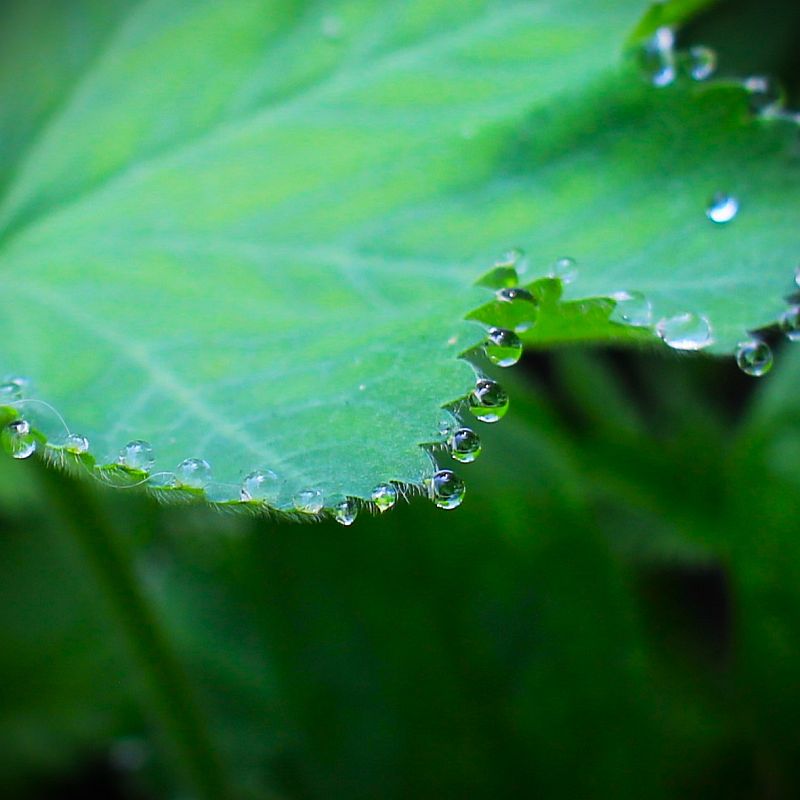
✨ The Gifts of Walpurga: Mirror, Thread & Herb
In the Walpurgis nights, the witches are said to be able to ask Walpurga for various things. The objects they request and receive from the Goddess are usually Walpurgis mirrors, Walpurgis threads, and Walpurgis herbs.
The Mirror: The mirrors are small and triangular, and possessed the profound attribute that one could see everything of the future within them.
The Thread: The threads came directly from the spindle, which was the sacred attribute of Walpurga. If one received a thread that was unusually fine, one was absolutely certain not to perish in any danger.
The Herbs: The sacred herbs, such as the enchanter’s nightshade (Hexenkraut) and special flowers, served the witches for brewing magical potions.
The Ritual: The herbs were often placed onto a plowshare along with sand, which was then set over a fire. As soon as the mixture began to smell foul, the exact person one was thinking of was compelled to appear.
Beauty Magic: The flowers were placed into a small cloth that was hung around the neck, from which the young girls became exceptionally beautiful.
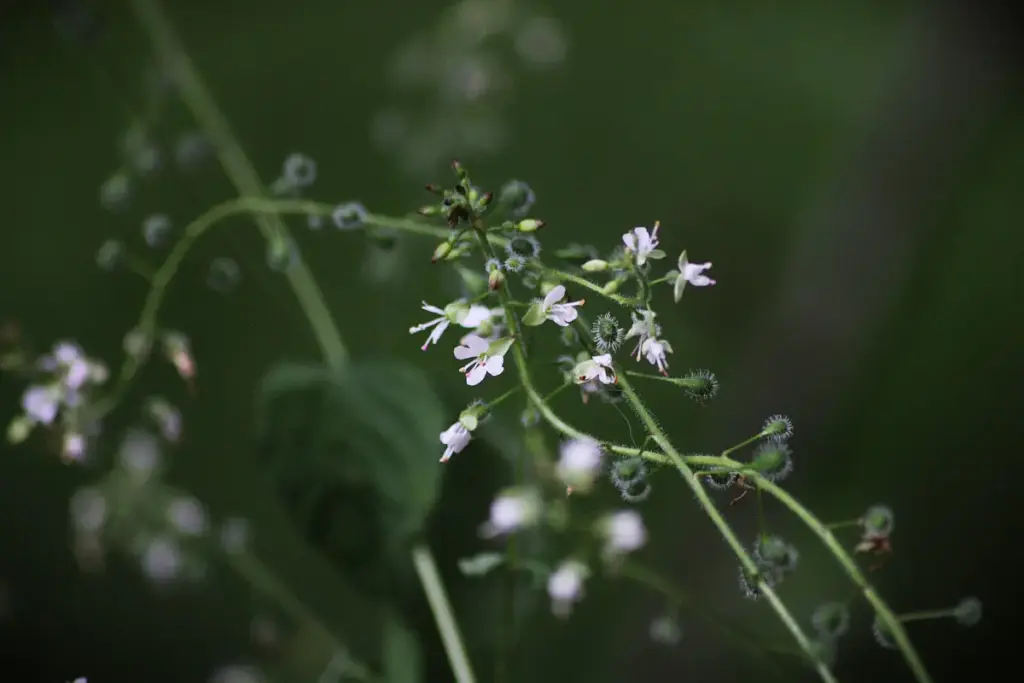
🌳 The Maypole & Linden Bark: Symbols of Spring
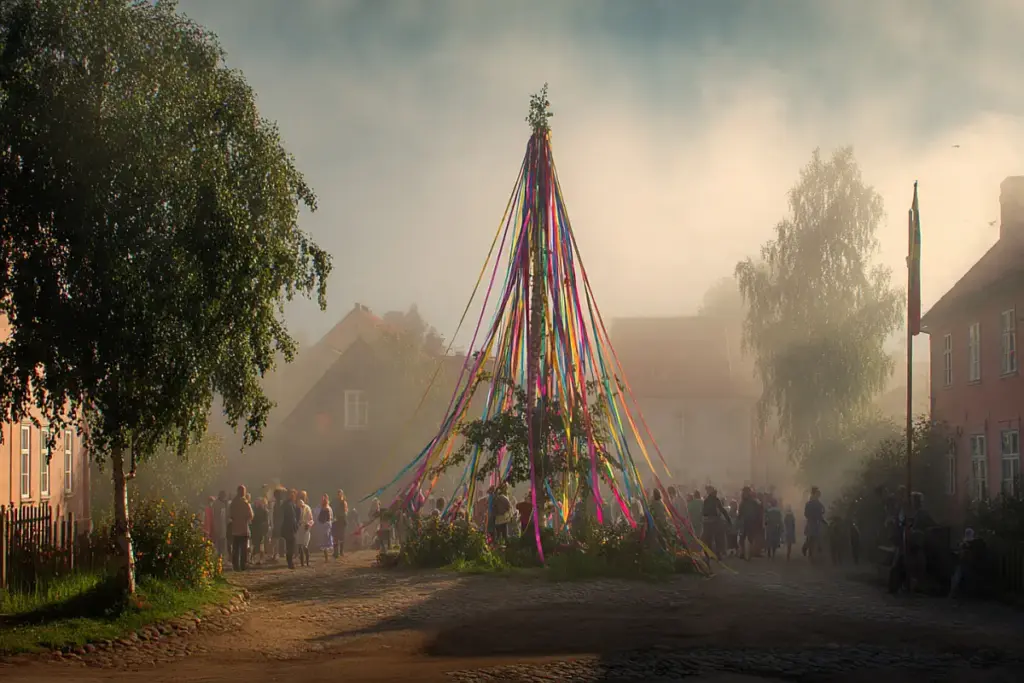
The maypole is the most well-known symbol of the May festival. This maypole, often a birch or fir, sometimes also spruce, embodied the newly awakened power of spring and also served to protect people and animals from dark illnesses and spirits.
Welcoming the Spring: The fresh green of the maypole was brought into the house or the animal stables to welcome the spring and to maintain the ancestral protection.
Healing through the Linden: On the 1st of May, in some places, linden branches were placed in front of the houses of sick people. After three days, a porridge was boiled down from their bark. The sick had to eat half of this porridge, while the other half was poured into the river so that the illness would flow away.
🌿 Love Tree & Tree of Shame: The Message at the Window
The Token of Love: A maypole was placed on the roof, in front of the window, or directly at the door for girls. With this, a boy showed his deep interest in that particular girl.
The Dark Side: In some places, these maypoles were also placed in front of the houses of people who were not well-liked in the village, or in front of the front door of girls who were unpopular or deemed very ugly. Then they were usually thin, crippled little trees with some dirty items of clothing attached to them.
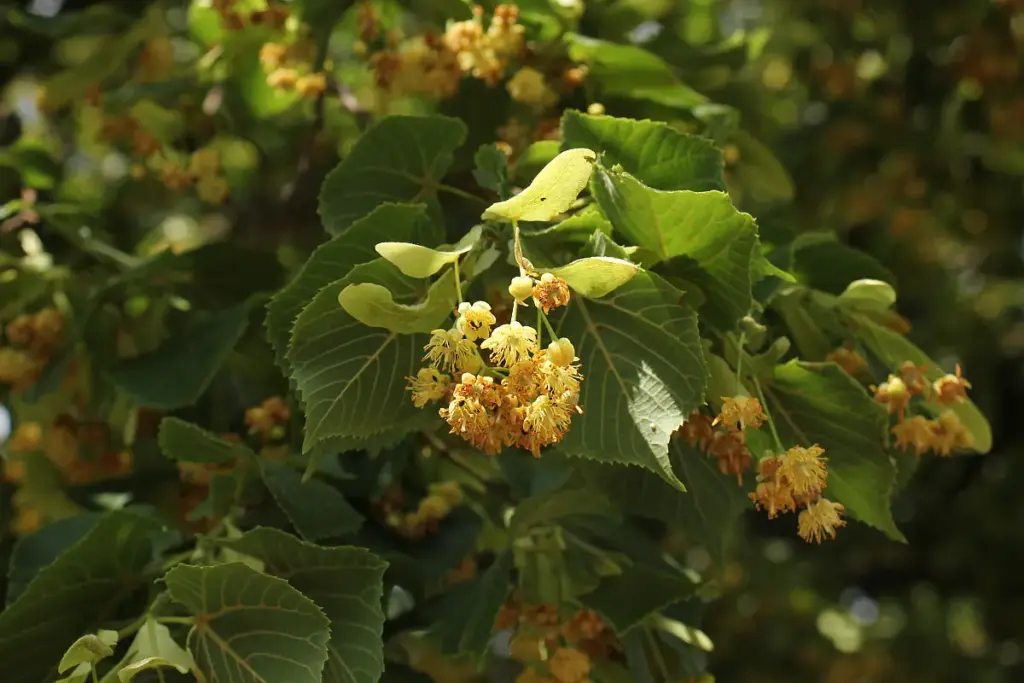
💚 The Heart of the Village: The Great Maypole
The maypole that stood in the center of every village was of profound significance. This sacred tree was always erected on the 1st of May. It served the spring and summer blessing and was thus highly venerated.
The Ritual of the Gathering: The boy who had to fetch it from the forest had colorful ribbons tied to his bag and headgear. The local community voted together on when this maypole would be brought into the village. This tree was felled with ancient chants and prophecies. Usually, birch or fir trees were chosen for this.
The Peeled Fir: The fir was peeled for this purpose, because otherwise witches could hide beneath the bark, and a small little birch tree was placed on top.
The Transport: Everything had to happen strictly before sunrise. This maypole had to arrive in the village carried, not driven.
✨ The Magic of Nine: Herbs, Woods & Wreaths
During this time, the Ancestral Knowledge of the ninefold or sevenfold herbs was also firmly anchored. For example, to protect against hexes, animals were given these sacred herbs to eat so they would be shielded from it.
The 9 Sacred Herbs: These mostly consisted of:
Wild Marjoram (Dost), Elecampane (Alant), Mugwort (Beifuß)
Yarrow (Schafgarbe), Wormwood (Wermut), Vervain (Eisenkraut)
St. John’s wort (Johanniskraut), Thyme (Thymian), and Oats (Hafer)
Woods & Wreaths: Even if one carried nine different woods on their person in this night, one could recognize the witches from afar. In this sacred night, a wreath of ground ivy (Gundermann) was also crafted. A wreath of ivy, on the other hand, brings one the deeply desired husband.
💧 Spring Magic & Clover: Morning Oracles
The Clover Charm: If one silently takes a handful of clover from the four corners of a stranger’s field and takes it home to feed their animals, they will thrive unusually well that year.
The Rosemary Oracle: In some places, before sunrise on the 1st of May, young girls take a vessel and a sprig of rosemary, walk to a lonely spring, pray, hang the sprig on a neighboring bush, and draw water while kneeling.
As soon as the sun appears on the edge of the horizon, the girl murmurs the following words nine times:
“Ami, rebi, beli”
(A little note on this: If one translates these ancient words today, they essentially mean “I love you” three times. It is therefore a direct, heartfelt call to fate and the future husband!)
She must speak it so quickly that she finishes her magic formula before the sun’s disk has fully emerged above the horizon. Then the enchanter looks deep into the spring, and the water reveals the reflection of her future groom. In other regions, the rosemary sprig is thrown into the water and reached for backwards; a quick grasp signifies a soon-to-be wedding.
💨 The Smoke of Walpurgis Night
During Walpurgis Night, there was a Smoke Night (Rauhnacht), just as we know it from the deep winter nights. In some areas, stinging nettle was burned to protectively smoke-cleanse against hexes during Walpurgis Night.
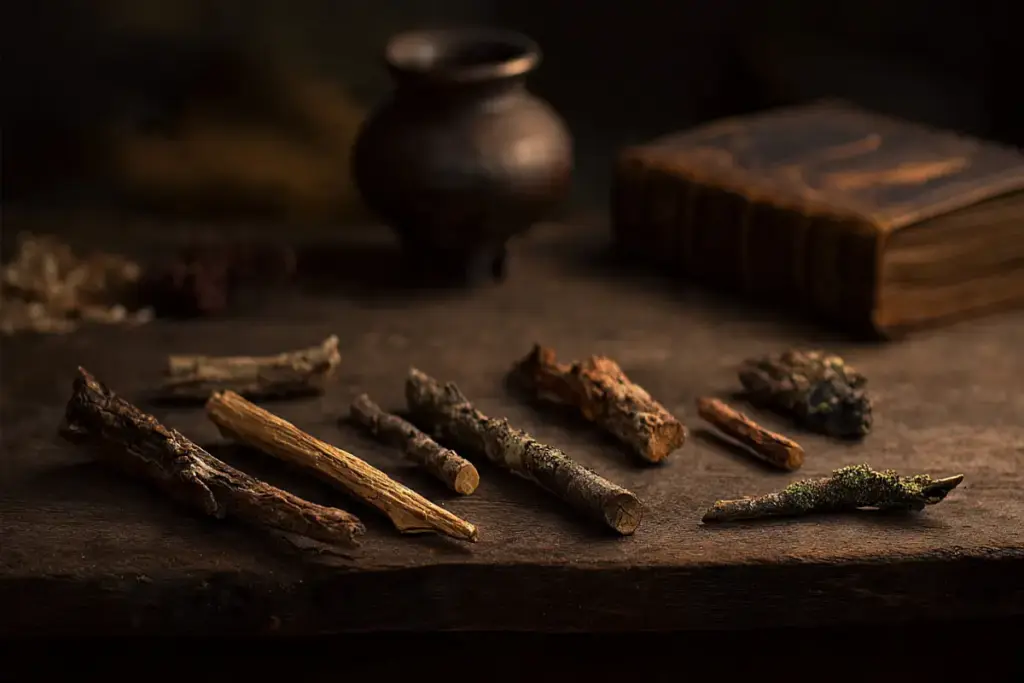
Certain plants held profound significance during Walpurgis Night and on the 1st of May. These included moonwort (Mondraute), mallow blossoms, rowan (Eberesche), birch, fir, woodruff (Waldmeister), hawthorn, blackthorn, and hazel. The sacred incense blend for Walpurgis Night is also born from these very plants.
The Walpurgis Blend: Take equal parts of these dried incense ingredients and mix them well:
Rowan wood (Ebereschenholz)
Blackthorn wood (Schwarzdornholz)
Mallow blossoms (Malvenblüten)
Birch bark (Birkenrinde)
Crumbled fir cones (zerfallene Tannenzapfen – usually found on the forest floor beneath fir trees)
Woodruff (Waldmeister)
Hawthorn blossoms (Weißdornblüten)
Hazel catkins (Haselkätzchen)
The Colors of Spring: The color yellow should dominate during Walpurgis Night and on the 1st of May when you decorate or set a festive table. The yellow candle should be burned facing east. Wreaths of ivy or ground ivy (Gundermann) should be placed upon the head. The home is beautifully adorned with birch branches and fresh dandelion blossoms, which powerfully symbolize the sun and the coming warmth.