The Thorny Guardian: Name and Ancient Origins
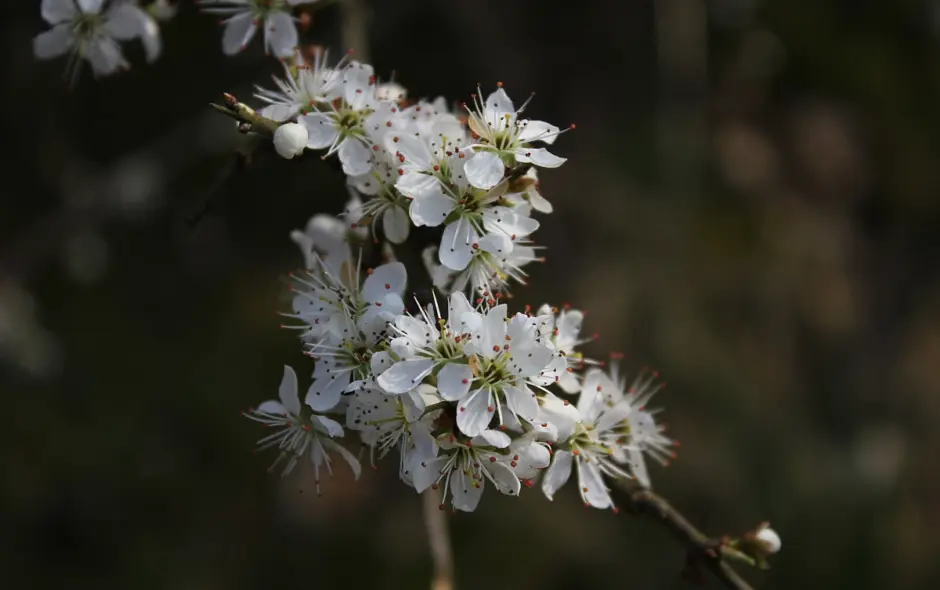
Blackthorn seeds have been found during archaeological excavations of ancient stilt houses (Pfahlbauten), and the blackthorn blossoms held a very high significance in herbalism during antiquity and the Middle Ages. Its botanical name is: Prunus spinosa.
The Name’s Meaning: Spinosa points directly to the branches and stands for thorny or spined. The word “Sloe” (Schlehe) is said to be of deep Germanic origin and simply means “Blue.”
Traditional Names: Sloe, thornbush, blackthorn (Schlehdorn, Dornstrauch, Dornschlehe).
✨ Magic & Ancestral Knowledge: Protection from Spirits and Witches
The ancient Germanic tribes actively planted thorn bushes around their homesteads to obtain profound protection from wild animals and nature spirits; the blackthorn belonged to these sacred guardians. Although an old legend softly whispers that the blackthorn holds a deep grudge against the hawthorn (Weißdorn).
Warding Off Dark Magic: A blackthorn branch fiercely warded off witches when it was safely fastened to the front door, or also to the stable door if it was noticed that something was amiss with the animals there. This sacred act was to be performed on Walpurgis Night, for it is then that the blackthorn is said to possess its absolute strongest, witch-warding protective properties.
Personal Protection: To safely protect oneself from dark magic and malicious people, tiny blackthorn twigs were respectfully sewn directly into one’s clothing.
Healing the Body: Small blackthorn twigs also traditionally protected against wood splinters and potential pus.
📜 The Old Witch’s Spell: A Spell of the Blackthorn
In earlier times, the belief in dark magic was widely spread. I would love to write down a very old, powerful witch’s spell (Hexenbann) using the blackthorn for you here:
“Nine years you shall stay where you are and then rot! Nine years you shall thirst, nine years you shall hunger, nine years you shall not sleep, nine years not enjoy love, if you evil woman come near us!”
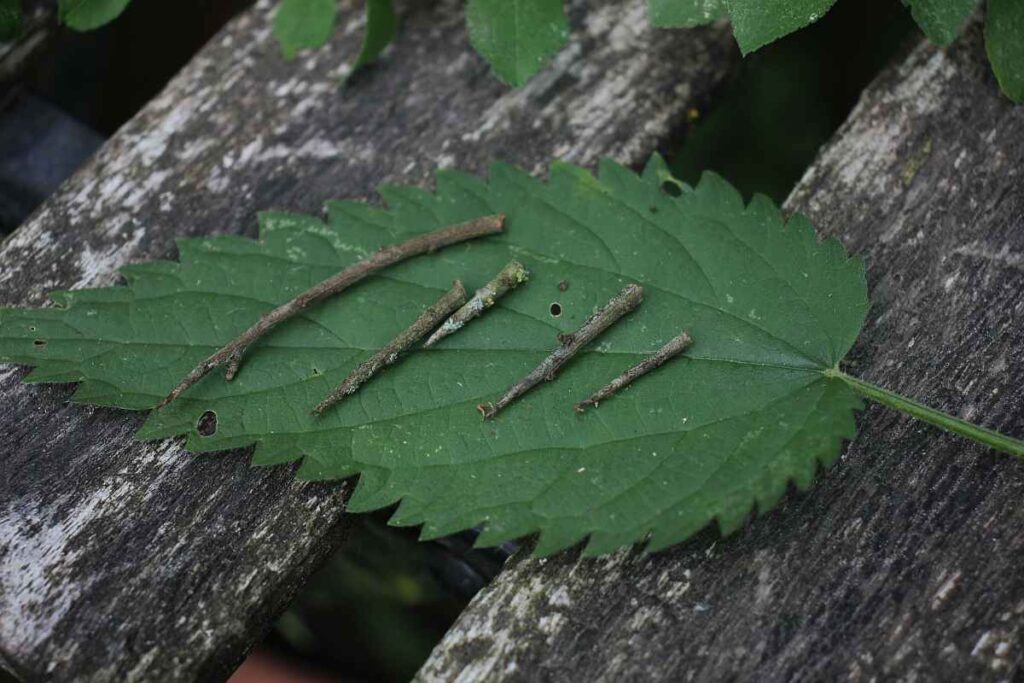
These fierce words were written on paper, and this paper was tightly bound around a thorny branch in order to bury it deep beneath the front door threshold of the supposed witch.
🦇 Shadows of the Past: Silesia & The Celts
The Restless Dead: From Silesia in the year 1631, it is documented in writing that ghosts and witches roamed there in great numbers, deeply unsettling the people living there. Therefore, it was decided to dig up many a corpse again and fiercely drive a blackthorn stake straight through their hearts.
The Germanic Shrub: Old writers titled the blackthorn as a true, authentic Germanic shrub. But the ancient Celts also respectfully took its hard wood to craft their sacred Ogham staves.
✨ The Blackthorn Oracle: Peasant Lore & Harvest Signs
In the ancient calendar of nature, it is a true indicator plant for spring and late autumn. The blackthorn has always been taken as a guiding sign for the sacred sowing. This graceful shrub played a major role in the rustic Old Beliefs, acting as a profound harvest oracle.
The Early Spring: The sooner the blackthorn blooms in April, the earlier the farmer goes to the harvest!
The Sudden Bloom: When the blackthorn blooms on the hedge, spring will arrive all at once.
The Late Warning: It will be worse for hay and grain, the later we see blossoms on the blackthorn.
The Winter Oracle: If there are many sloes, there will be a severe winter.
A Whisper of the Moon: However, one should not pick blackthorn fruits during a waxing moon, because according to an old ancestral belief, they would deeply lose their healing power.
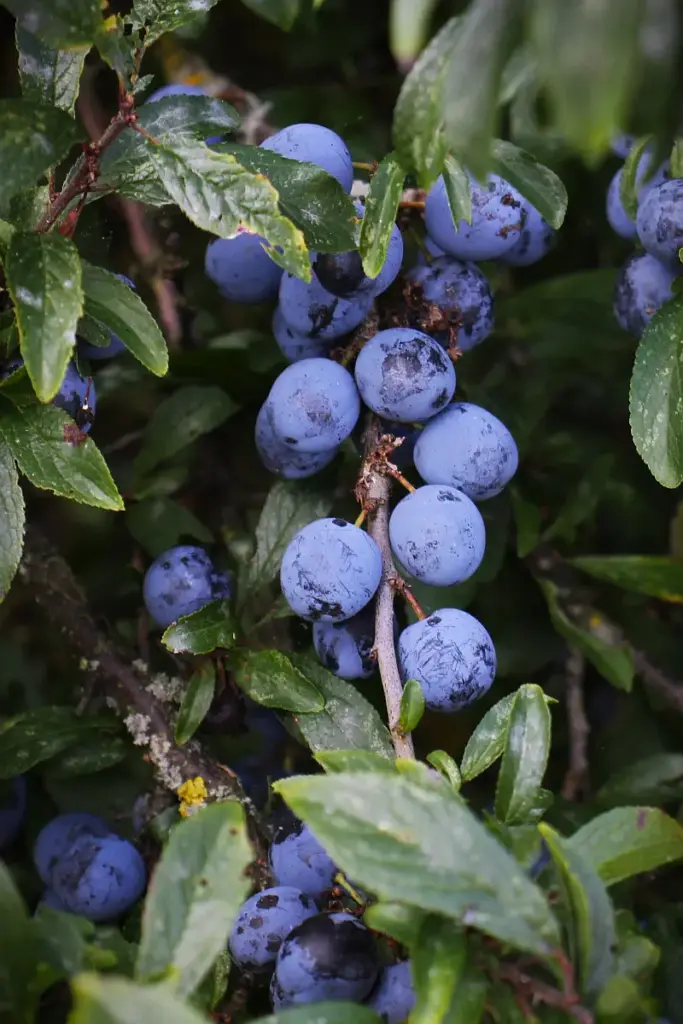
💨 Blackthorn as Sacred Smoke: Banishment in the Rauhnächte
According to the Old Beliefs, thorny blackthorn twigs and wood are increasingly burned as sacred smoke during the Rauhnächte (the magical Twelve Nights of Christmas) to gain fierce protection against the Haustrude (the night hag). For this powerful ritual, the traditional incense pan was used.
Magical Harvest: Its true nature-magical gathering time, in the old incense lore, is exactly at the Reaper’s Festival (Schnitterfest / Lammas).
Its profound properties range from:
deeply protective
curse-breaking
witch-warding
to powerfully healing.
📜 Old Recipes: From Ancient Ink to Eifel Olives
Dried blackthorn leaves are a wonderfully grounding tobacco substitute. But the magic goes even deeper: ancient ink can also be beautifully crafted from sloes. A recipe from the 12th century describes exactly how a solid ink is obtained from the bark of blackthorn branches through boiling, reducing, and mixing with wine, which can then be dissolved in water or wine as needed.
✒️ Ink from Blackthorn Branches: A 12th Century Craft
The Spring Harvest: In spring, the branches are carefully cut and dried, in order to subsequently remove the bark.
The Steeping: Then the bark is left to deeply swell in water.
The Boiling: When the water has taken on a rich red-brown color (after about 3 to 5 days), the liquid is poured off, carefully collected, and brought to a boil.
The Leaching: Then the bark is added back to the hot water. You should repeat this ancient process until the bark is truly leached out. Then it can be respectfully removed from the water.
The Wine: Now this dark decoction is slowly boiled down and carefully mixed with wine.
The Sun’s Magic: Finally, this mass is poured into small parchment bags and hung directly in the warm sun. Through this, one obtains a very hard mass, from which a small piece is broken off as needed and dissolved in a very little wine or water for writing.
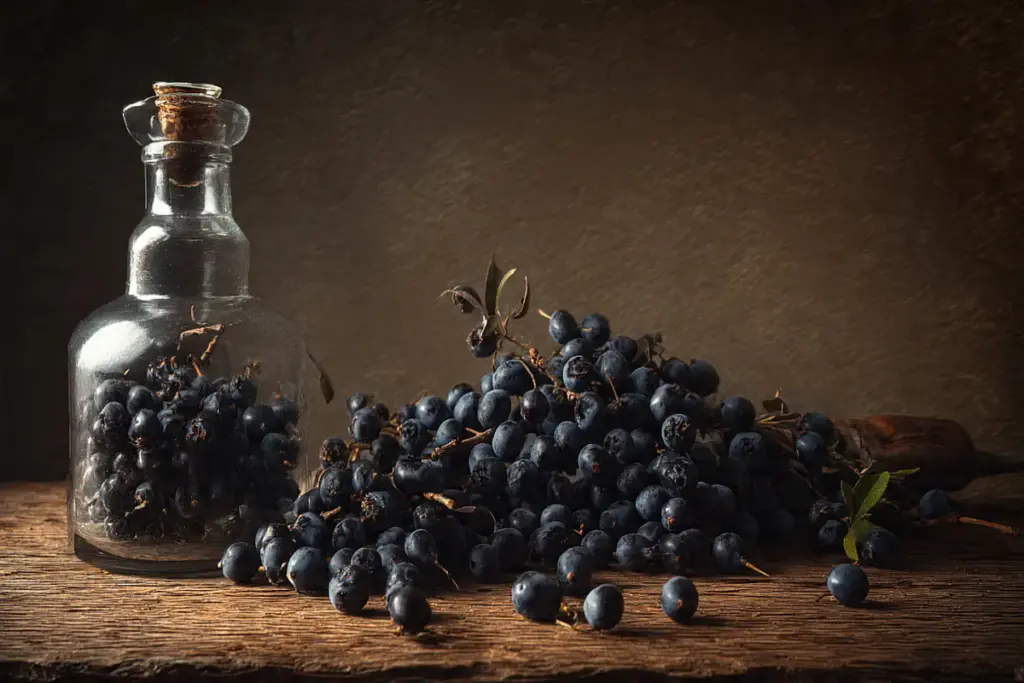
🫒 Recipe for Eifel Olives: The False Olives of the North
Blackthorn fruits can be wonderfully used as a deeply flavorful substitute for olives. They are also called sloe olives (Schlehenoliven) and are carefully crafted according to old tradition.
The Ingredients:
500 g sloes (Schlehen)
500 ml water
1/2 bunch of fresh thyme
1 bay leaf
10 cloves
100 g sea salt
The Ancient Preparation: Boil the water together with the herbs, cloves, and sea salt until the salt completely dissolves. Place the sloes in a glass vessel, pour the hot, fragrant decoction over them, and let them steep in this magical brew for 2 to 3 full months.