The White Lady of the Forest: Tree of Light & The Rod of Life
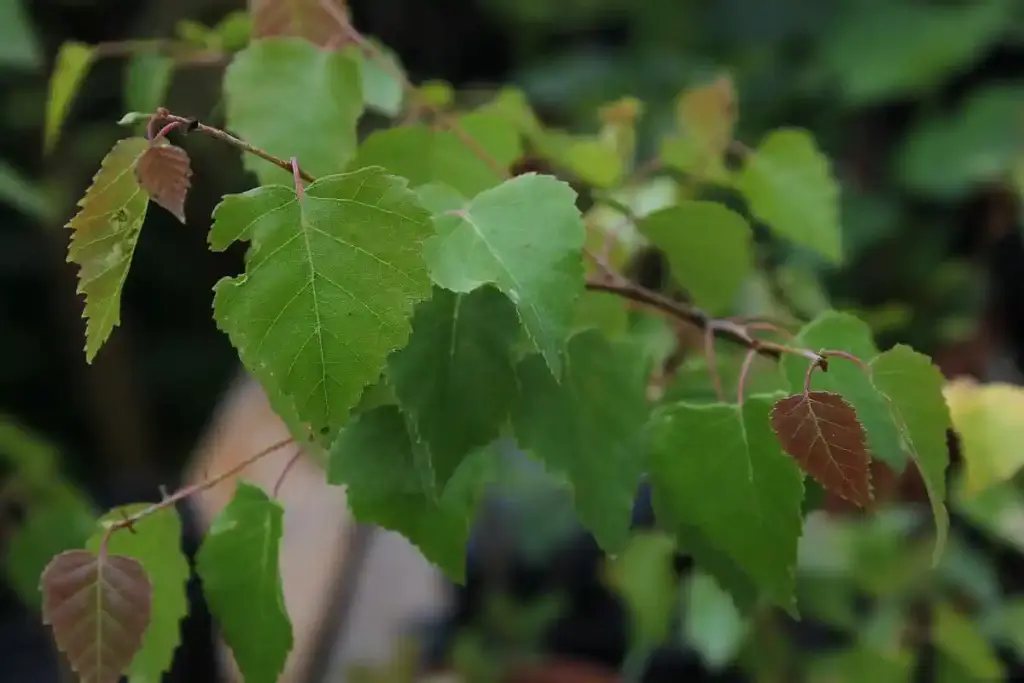
The birch is the ultimate embodiment of spring and the grand awakening of Mother Nature. It played a profound role among the Slavs, Celts, and ancient Germanic tribes, revered as a deeply magical tree by the old peoples.
For the Slavs, the birch was a universal remedy and the sacred tree of light for the 24th of June. Celtic men would bring fresh birch branches to the homes of their chosen ones. They even dedicated a specific Ogham stave to this highly venerated tree spirit.
The Forest Companions: The birch polypore makes its home directly on the birch trunk, the brown birch bolete always grows in its immediate vicinity, and the tinder fungus—so perfectly suited for making sacred fires—is also found here.
The Ancient Names: Its botanical name is Betula pendula. Betula is derived from the Latin batuare, which translates to “to strike.” This is said to trace back to the old tradition of gently striking with the rod of life (Lebensrute). Its name “Birch” comes from the ancient Germanic word Bhereg, which translates to “shining” or “white.”
✨ Frigga’s Tree: Old Customs & Protective Magic
Protective Branches: Birch twigs were traditionally hung in stables and houses to keep dark spirits and demons at bay. My own birch besoms hang on several interior doors in my home. A birch planted by the house protected against harmful magic and illness. In some regions, red ribbons were tied around the birches to ward off the evil eye.
A Shielding Sleep: In the old days, cribs were crafted from birch wood to ensure the utmost protection for infants and children.
The Rod of Life: The rod of life (Lebensrute) made from birch safeguarded against illness and hexes. For this ancestral custom, fresh, thin birch branches with leaves were bound together. People were gently “struck” with them to impart vitality and banish harm.
Spring’s Awakening: Just as we plant and dance around the Maypole today, the birch was dedicated to the Goddess Fria (Frigga) in ancient times. People would sit beneath this tree, honoring the goddess, and celebrate the grand awakening of spring under its protective branches. To this day, the unfolding of its leaves marks the true arrival of early spring.
Traditional Names: White Birch, May Tree, Besom Tree, Spring Tree.

💨 The Smoke of New Beginnings: Banishing Winter Spirits
In the ancient art of smoke cleansing, the birch was a powerfully purifying force.
Rituals Against Enchantment: Therefore, during smoke cleansings or rituals to ward off enchantments, the affected persons were first gently “struck” with birch branches. This ensured that the dark energy clung to the twigs, which were then thrown into a purifying fire. This fire had to be built specifically from birch wood and brushwood. Only afterward did the actual birch smoke ceremony begin.
House & Hearth: Our ancestors cleansed their stables and houses with birch smoke, especially around Pentecost. Entire branches were used for this purpose. They were also utilized as a shield against heavy thunderstorms. The birch also played a very significant role during Walpurgis Night within the Old World traditions.
Effect on the Soul: In the modern practice of burning incense, the birch imparts new energies to us and gets the flow of our life moving once again.
A Fresh Start: We become free for new tasks and execute them with precision. We are truly ready for a new beginning.
Dispelling Gloom: A birch incense dispels the heaviness of winter and nips negative thoughts in the bud. Thus, we feel light and uplifted, finding the strength to embark on new deeds. This sacred smoke also deeply fosters our creativity.
Relationships: The birch also aids in hardened relationship troubles; its plant spirit softens these rigidities, allowing us to look toward the future with our partner once more.

🍂 Foraging in the Storm: The Gifts of the Birch
The birch blends beautifully with hawthorn and mallow blossoms to create a magical incense. If desired, a little larch resin can also be added. For smoke cleansing, all parts of the birch can be utilized: the wood, the bark, the small twigs, and the leaves.
Foraging Tip: If you wish to gather birch parts, pay close attention in autumn when the storms rage, looking for fallen birches. They break very easily in high winds. From these fallen trees, you can respectfully gather your brushwood, timber, and other birch gifts. I always sit quietly by these fallen birches to peel off their bark. If you wish to forage in a nature-magical way, please note the next point.
Magical Foraging Time: Its true nature-magical foraging time is during the Spring Equinox and Walpurgis Night. Its magical properties in an incense blend are:
Expelling
Protective
Purifying
Drying: The gathered leaves dry best in a dark room. This ensures they retain their beautiful green color. They are laid out in thin layers and turned frequently. The bark, however, should be dried in the bright sun.

🪵 Ancestral Crafts: Candles & Besoms
Our ancestors crafted many items from birch bark, such as paper, water buckets, birch tar, storage boxes, and drinking vessels. Birch tar is made directly from the outer bark. And let us not forget those wonderful birch candles, which were also called heathen candles (Heidenkerzen) in Switzerland. I once recreated them and wrote an article about it, which you can read here: Heathen Candles: Ancestral Light & Wodan´s Protection
🧹 Binding the Spirit Besom
The birch was counted among the protective herbs, as it carries a fiercely guarding and expelling energy. In the old days, besoms were bound from birch brushwood in the spring to sweep away the winter spirits from the rooms. Birch twigs were also hung in the stable and the house to keep demons and dark spirits at bay. You can easily make such a “winter-expelling” besom yourself.
The Craft:
Preparation: Gather thin birch branches and cut them to a length of about 50–60 cm. Take as many branches as you can firmly grasp with your hand. This will form your first brushwood bundle. If the twigs have become brittle, you can “soak” them in water overnight. They will be beautifully elastic again by the next day.
Binding: The bundled twigs are now tightly wrapped at the bottom with a thicker wire (do not use thin floral wire). The tighter you bind it, the more cohesive your besom will be. Repeat the wrapping with wire one or two more times, so that the thick end of the broom is held firmly by 2 to 3 wire loops.
The Handle: Now it is time for the broom handle! Slightly sharpen the lower end to make it easier, and push it right into the center of the brushwood bundle, about 10 cm deep—at least down to the second wire loop. Twist it in slightly so that the twigs sit tightly against it. The pressure alone will hold the handle in place.
The Finishing Touch: To prevent injuries, wrap the wire loops with a natural twine; this also looks much more traditional and beautiful. Your sacred spirit besom is ready!