When spring awakens, two plants open their blossoms that are closely connected in magic, even though they are botanically different: The Lungwort (the “Blue Cowslip”) and the True Cowslip (the “Key of Heaven”). Both are messengers of the light and play an important role in our ancestral traditions.
🫁 Lungwort: Hansel & Gretel of the Woods
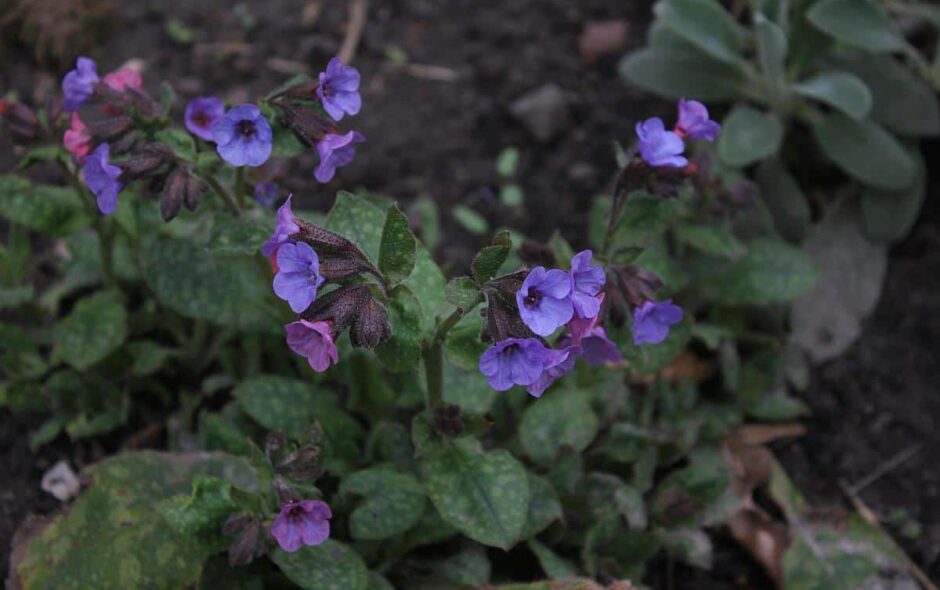
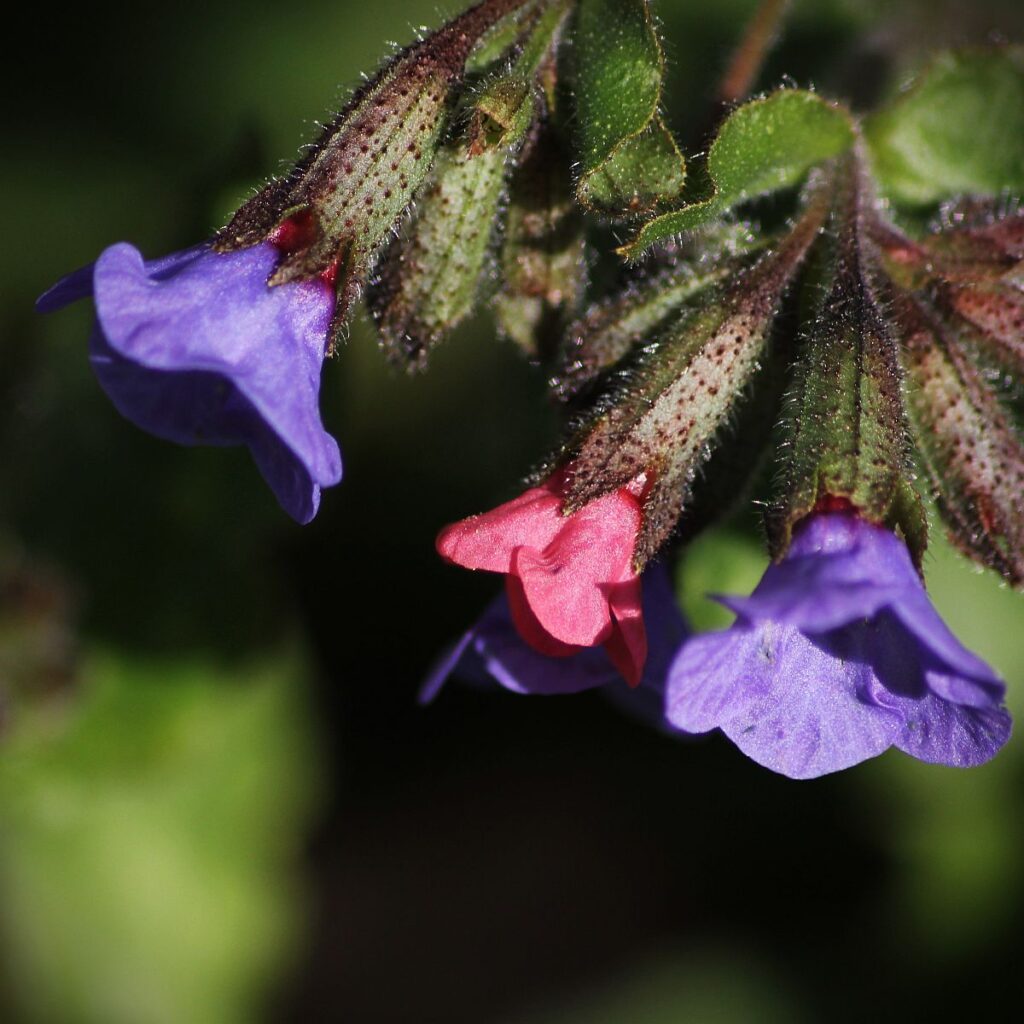
In antiquity, the Lungwort (Pulmonaria officinalis) was said to be unknown. It first appeared in an herbal grimoire in the 16th century. Back then, people saw the shape of the lungs in its blossom colors. The play of colors from pink to blue and purple was believed to represent the venous and arterial blood of the lungs.
Our ancestors also called the Lungwort the “Blue Cowslip” due to the striking resemblance of their blossoms.
Tradition & Ancestral Knowledge
In the old belief, one only occasionally finds mentions of the Lungwort. Yet, the color play of the blossoms (first red, then blue) deeply fascinated the people.
- The Unequal Sisters: In some regions, the plant is therefore called “Hansel and Gretel” or “Unequal Sisters,” which hints at the duality and togetherness of male and female energies.
- Love Magic: To strengthen the bond with another person, the blossoms were worn close to the body in a small linen pouch.
- The Old Belief: It was whispered that if you smell the Lungwort, freckles will grow on your face.
Incense & Binding Magic
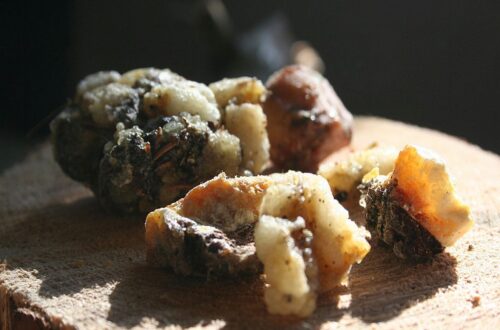
In modern incense practices, Lungwort stands for cohesion and the binding of love between two people. For a binding incense blend, the Lungwort can be mixed with:
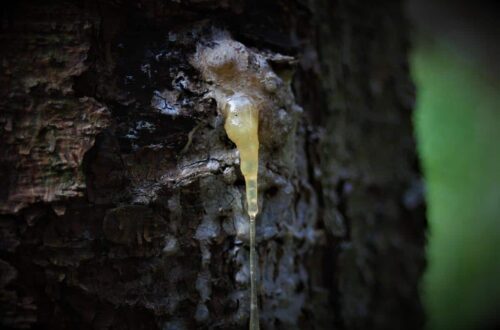
- Pine resin
- Ground Ivy (Gundermann)
- Calendula (Ringelblume)
Harvesting & Drying the Green Spirit
- The Magical Harvest: The nature-magical time for gathering is usually around the time of the Spring Equinox.
- Drying in the Shadows: If you wish to dry the Lungwort yourself, you must place it in a very dark spot. Otherwise, the blossoms will lose their beautiful color and the leaves will tend to turn black. The dried Lungwort is best preserved in small paper bags.
🗝️ The True Cowslip (The Key of Heaven)
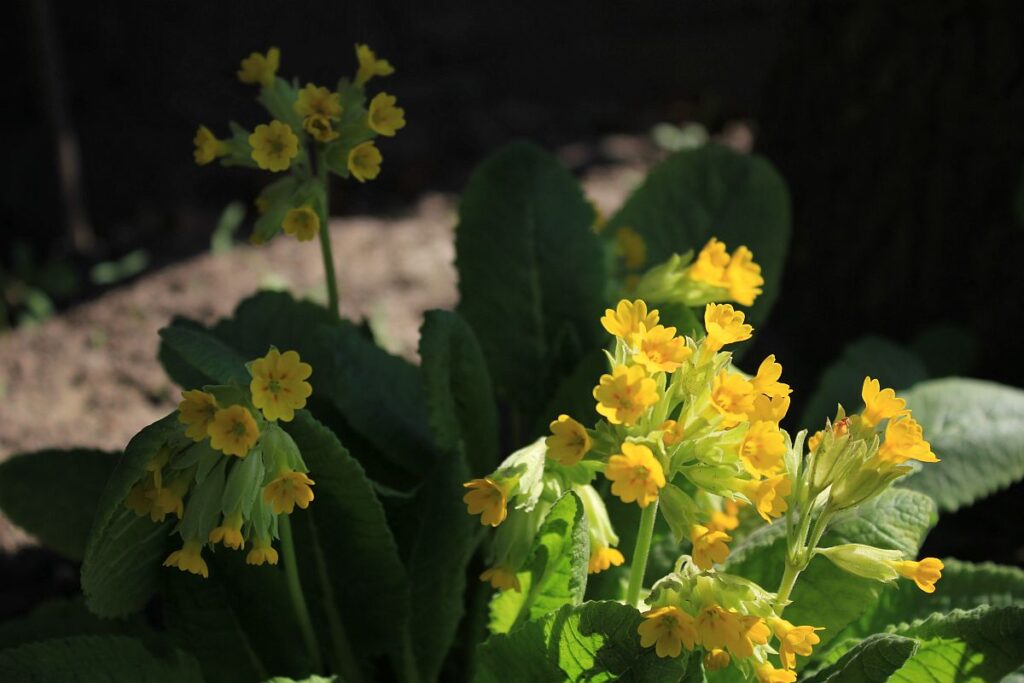
Its botanical name, Primula veris, translates beautifully to the “Firstling of Spring.” It earned its German name, Schlüsselblume (Key Flower), from the blossom’s striking resemblance to an old-world key. If you gently pull out the yellow corolla, the remaining calyx tube looks just like a delicate, old-German lock with a keyhole. Its luminous, pale gold color makes it a fitting “Key of Heaven” (Himmelsschlüssel).
Folk Names & Whispers Our ancestors had many respectful names for this green spirit:
Apothecary Primrose (Apothekerprimel)
Easter Flower (Osterblume)
Lady’s Key (Frauenschlüssel)
Flower of the Five Wounds (Fünfwundenblume)
In my home region of Mecklenburg, it was affectionately known in the old dialect as Karkensloetel (Church Key).
The Magic of the Druids & Gauls Among the ancient Gauls, the Cowslip was held in the highest esteem. A miraculous potion was brewed from it, but for this sacred purpose, it could only be gathered by the priest—the Druid. He had to enter the forest barefoot, fasting, and deep in prayer. The Cowslip to be picked could not be looked upon directly; the harvester had to reach out with the left hand, under their garments, to break the stem, and the plant had to be hidden within the robes immediately. This is how this wonderful plant soul retained its potent healing power.
Ancestral Customs & Oracles
Fever Protection: Swallowing three blossoms was an old protective measure against fever.
The Marriage Oracle: In some regions, the old tradition held that if a young woman found a blooming Cowslip during Holy Week, she would marry within that same year. Furthermore, she would have as many children as the flower bore calyxes.
Stable Protection: If gathered before sunrise, kept safe until Walpurgis Night, and then fed to the animals, it acted as a powerful shield against disease.
The Healing Amulet: An old chronicle tells of a schoolmaster who fashioned an amulet for his sick, “swollen” child, hanging Cowslips, Cornflowers, and other herbs around the child’s neck to bring about healing.